

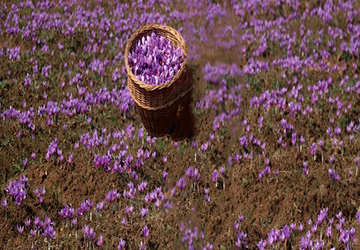
Saffron has earned its title as the “king of spices” for good reason. It’s not only the most expensive spice in the world but also one of the rarest. Why? Because the saffron flower (Crocus sativus) produces just three tiny red stigmas per bloom, and each must be handpicked. It takes roughly 45,000 to 50,000 flowers to produce one kilogram of dried saffron, all separated by hand. This extraordinary labor makes saffron a true agricultural treasure.
A Spice Loved Around the World
Saffron’s appeal spans continents and cultures—from the Mediterranean to the Middle East and South Asia. Spain’s La Mancha saffron is world-renowned, protected by a strict DOP certification that guarantees its purity, vibrant color, and rich aroma. Kashmir’s saffron is prized for its unique fragrance, while Iran leads global production. Wherever it’s grown, saffron is synonymous with quality, care, and well-being.
Ancient Wisdom Meets Modern Healing
In Indian herbal tradition, saffron—called Keshar—is considered a jadi-buti, meaning a dried plant part used for cooking and wellness. Ayurveda goes further, classifying saffron as a Rasayana, a rejuvenating herb. Ayurvedic texts classify saffron as Raktaprasadana (traditionally used to support blood quality), Hridya (traditionally considered heart-beneficial), and Deepana/Pachana (traditionally used for digestion). These are traditional therapeutic classifications, not modern clinical claims. Spiritual master Swami Sivananda encouraged embracing all healing traditions that benefit humanity, and saffron fits perfectly into this philosophy.
What Science Says About Saffron’s Benefits
Modern research is catching up with what traditional healers have known for centuries. Saffron contains powerful compounds like crocin, crocetin, and safranal, which have strong antioxidant and anti-inflammatory effects. Clinical studies reveal saffron’s positive impact on several important health markers.
Heart and Metabolic Health
Ayurvedic texts classify saffron as Raktaprasadana (traditionally used to support blood quality), Hridya (traditionally considered heart-beneficial), and Deepana/Pachana (traditionally used for digestion). These results echo saffron’s traditional use as a heart-supporting and blood-purifying herb.
Digestive Support
Ayurveda has long recommended saffron to ignite digestive fire and improve nutrient absorption. A clinical trial in ulcerative colitis patients found that saffron supplementation (50 mg twice daily for 8 weeks) significantly improved clinical scores and reduced fecal calprotectin and CRP compared to baseline. Saffron was used alongside standard treatment, not instead of it. These findings are promising.
Antioxidant Power for Brain and Body
Crocin gives saffron its golden color. Laboratory and animal studies suggest saffron compounds may have neuroprotective effects through antioxidant and anti-inflammatory mechanisms, but human clinical trials are still needed to determine whether these translate into treatment for neurodegenerative conditions. Along with crocetin and safranal, these compounds help strengthen the body’s natural defenses. While research is ongoing, early findings are promising.
How to Enjoy Saffron’s Benefits
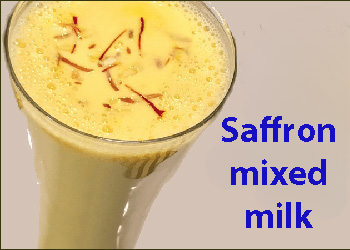
Crocin is water-soluble, so steeping saffron in warm liquid releases its color and healthful compounds. A classic way to enjoy it is in saffron milk—just a few strands in hot milk create a fragrant, golden drink perfect for evenings. Saffron also enhances rice, soups, stews, and teas. Letting the threads soak for a few minutes brings out their full aroma and potency.
Choosing Quality Saffron
Quality matters. Look for deep red threads with minimal yellow. Whole threads are more trustworthy than powders, which can be adulterated. Spain’s La Mancha saffron, Kashmir’s fragrant variety, and Iran’s large-scale production all represent top-quality saffron. Store it in an airtight container, away from heat and light, to keep it fresh.
Use Caution with Supplements
Saffron is safe when used in cooking, but supplements are more concentrated and require care. Pregnant or nursing women and those on prescription medications—especially blood thinners—should consult a healthcare provider before use. A published case report documented acute nosebleeds and bleeding gums in a patient taking saffron alongside the anticoagulant rivaroxaban. The authors recommend avoiding coadministration of direct oral anticoagulants and saffron supplements. Reviews of herb-drug interactions also advise caution when saffron is combined with antidepressants, antihypertensive drugs, anticoagulants, or antiplatelet medications. If you take any of these medications, do not use saffron supplements without medical supervision.
The Lasting Value of Saffron
More than just a luxury spice, saffron has been honored worldwide for centuries. Modern science now supports Ayurveda’s ancient wisdom about saffron’s rejuvenating and heart-supporting effects. Its benefits for metabolic markers and mood have measurable support in human trials. Its potential in digestive and neurological conditions is promising but requires further research. Its genuine benefits are impressive enough without exaggeration. When used thoughtfully, saffron remains one of nature’s most extraordinary gifts.
Very detailed article on saffron. I didn’t realize it was good for heart health.
I do not even know how I ended up here, but I thought this post was great. I do not know who you are but certainly you’re going to a famous blogger if you are not already 😉 Cheers!